How to Birdwatch on Your Lunch Break, Even in a City Park
Quick Answer: A 20-30 minute lunch break is enough time to birdwatch productively in almost any city park — you just need a spot near water or dense shrubs, and a phone app instead of a full binocular setup if you’re pressed for time.
Birdwatching sounds like it needs a whole free morning and a drive out of town, which is exactly why most people never start. A city park bench during lunch is a genuinely good habitat, not a consolation prize.
Why Are City Parks Actually Good Birdwatching Spots?
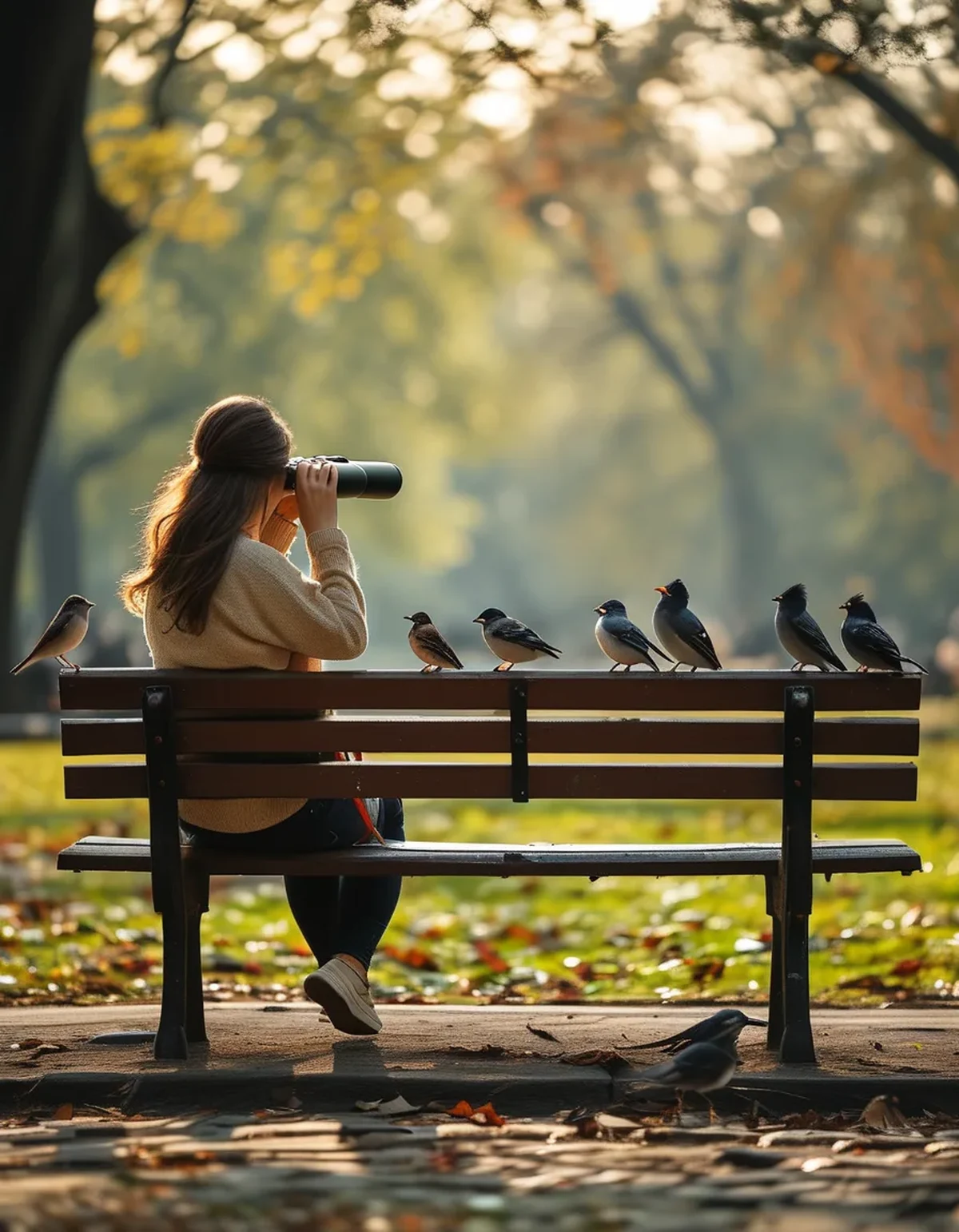
Parks with water features, dense shrubs, or a mix of tree heights act as rest stops for migrating birds moving through urban areas, especially in spring and fall. Even a small park can have more species diversity in a week than you’d expect, because birds use these green patches as stepping stones between larger habitats.
Lunchtime specifically is a decent window — many birds are active again after a mid-morning lull, foraging before the afternoon quiets down.
What Do You Actually Need to Bring?
For a lunch-break session, skip the full binocular-and-field-guide kit and just bring your phone with a bird identification app open — most now identify species from photos or even from a recorded call in seconds.
If you do want binoculars, a compact 8x25 pair fits in a bag easily and is enough for park-distance viewing; you don’t need the heavier 10x42 pairs built for open-country birding.
What Nobody Tells You About Lunch-Break Birdwatching
The birds you’ll see most reliably aren’t rare — they’re common species like sparrows, robins, and chickadees, and that’s fine. The point of a short session isn’t a rare sighting, it’s a reliable 20 minutes of noticing something instead of scrolling your phone.
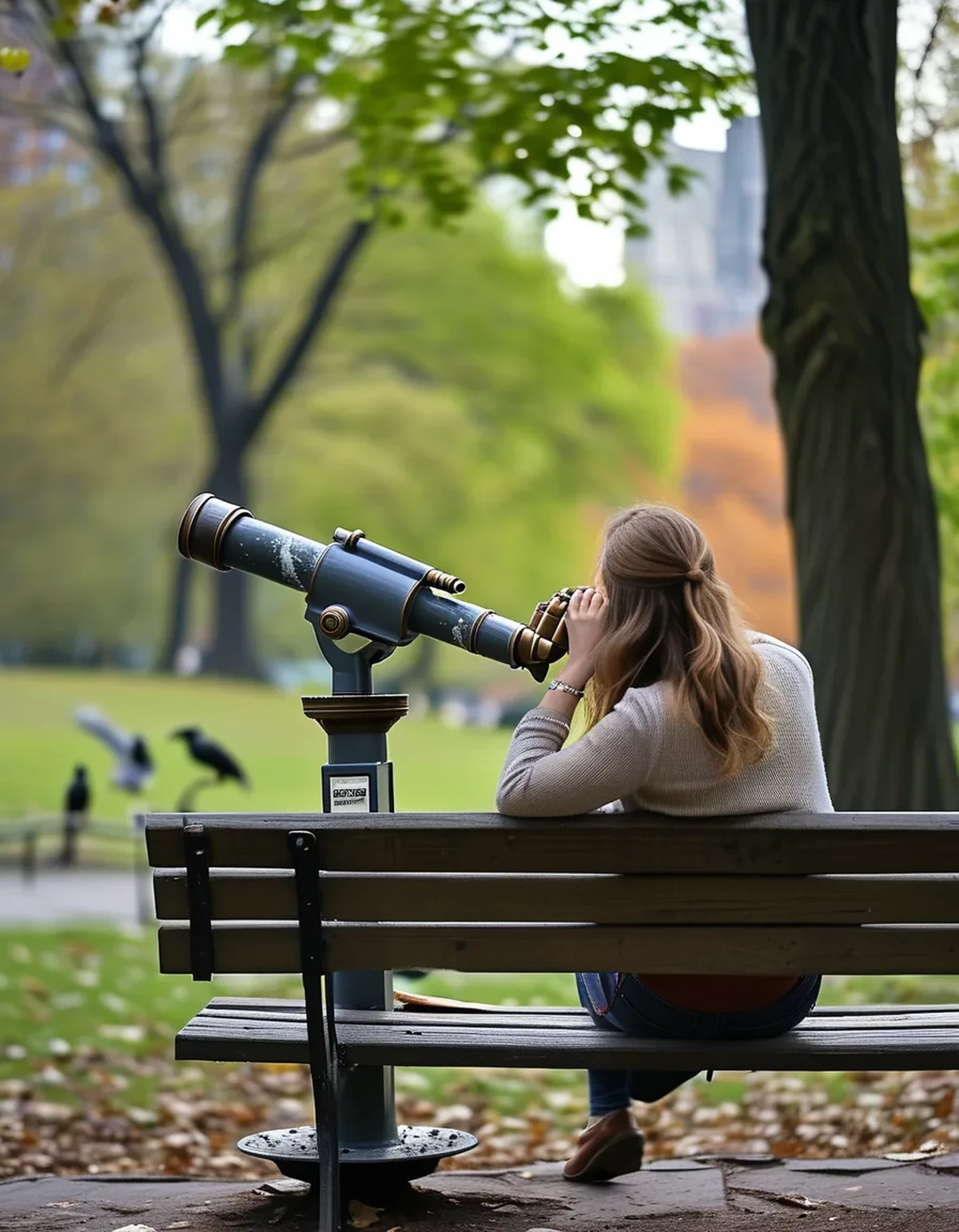
Sitting still on one bench for the full break usually produces more sightings than walking the whole park, since birds get used to a stationary person faster than a moving one.
How Do You Make the Most of a Short Session?
Pick one spot near water, a berry bush, or a feeder if the park has one, and stay put rather than covering ground. Arrive a few minutes before your break technically starts so you’re already settled and quiet when the best activity window opens.
Keep a simple running list on your phone’s notes app — folder unnecessary — just species and date. It turns a one-off break into something you’ll want to repeat.
FAQ: Lunch-Break Birdwatching Questions, Answered
Do I need binoculars to start birdwatching on my lunch break?
No — a phone with a bird ID app covers most casual sessions; binoculars are a nice upgrade, not a requirement.
What time of day is best for a short birdwatching session?
Early morning is technically peak activity, but a midday lunch break still catches a solid second wave of foraging behavior in most parks.
How do I know if my local park is any good for this?
Check if it has water, dense shrubs, or a mix of tree types — variety in habitat structure usually means more bird variety, regardless of park size.
TL;DR:
- City parks work as real stopover habitat for migrating and resident birds alike
- A phone app is enough gear for a lunch-break session — binoculars are optional
- Staying still in one spot beats walking the whole park in a short window
- Common species count; the goal is a repeatable habit, not a rare sighting
Your next lunch break doesn’t need a phone scroll. Twenty minutes on a park bench with an app open might be the easiest hobby you pick up all year.
Keep Reading
This article is for general informational and styling purposes only. Fit, sizing, and product availability may vary.