The Noise Mistakes That Scare Birds Away Before You Even See Them
Quick Answer: Sudden movement and high-pitched sounds (zippers, plastic bag rustling, loud talking) scare birds more than steady footsteps or low conversation — moving slowly, keeping gear quiet, and pausing often are the highest-impact habits for more sightings.
A lot of “I never see anything” birdwatching frustration traces back to noise habits nobody thinks to check.
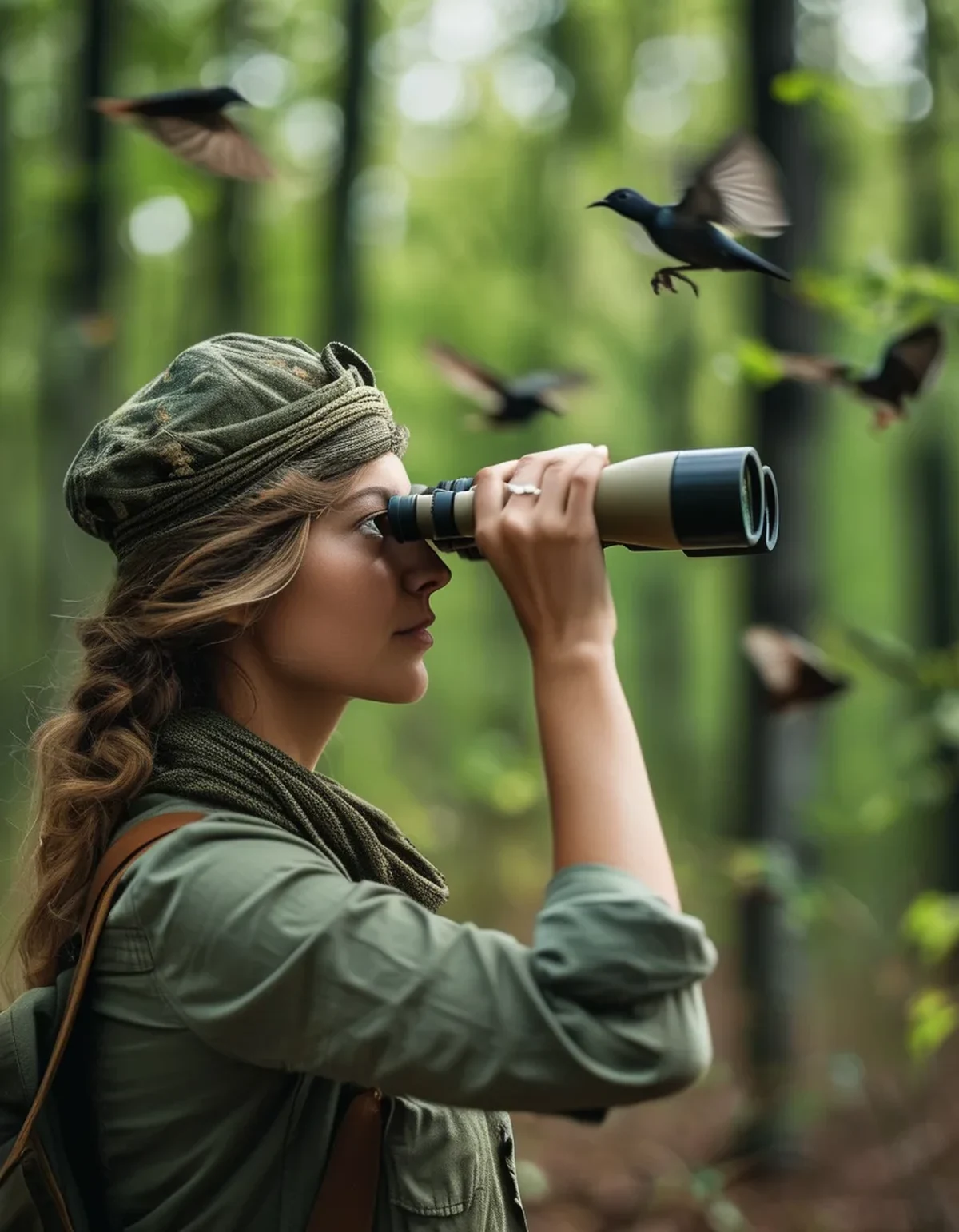
What sounds actually scare birds the most?
High-frequency, sudden noises register as predator alarms to birds far more than steady, low-frequency sounds. A zipper pull, a crackling snack wrapper, or a sudden laugh reads as a threat signal, while consistent quiet footsteps or a low murmur of conversation often doesn’t.
Does gear choice make a real difference?
Significantly. Velcro closures, hard plastic camera cases, and metal buckles all produce sharp sounds that carry farther than fabric ones. Swapping to silent-closure bags and wrapping gear in cloth before a hike measurably increases sighting rates for serious birders.
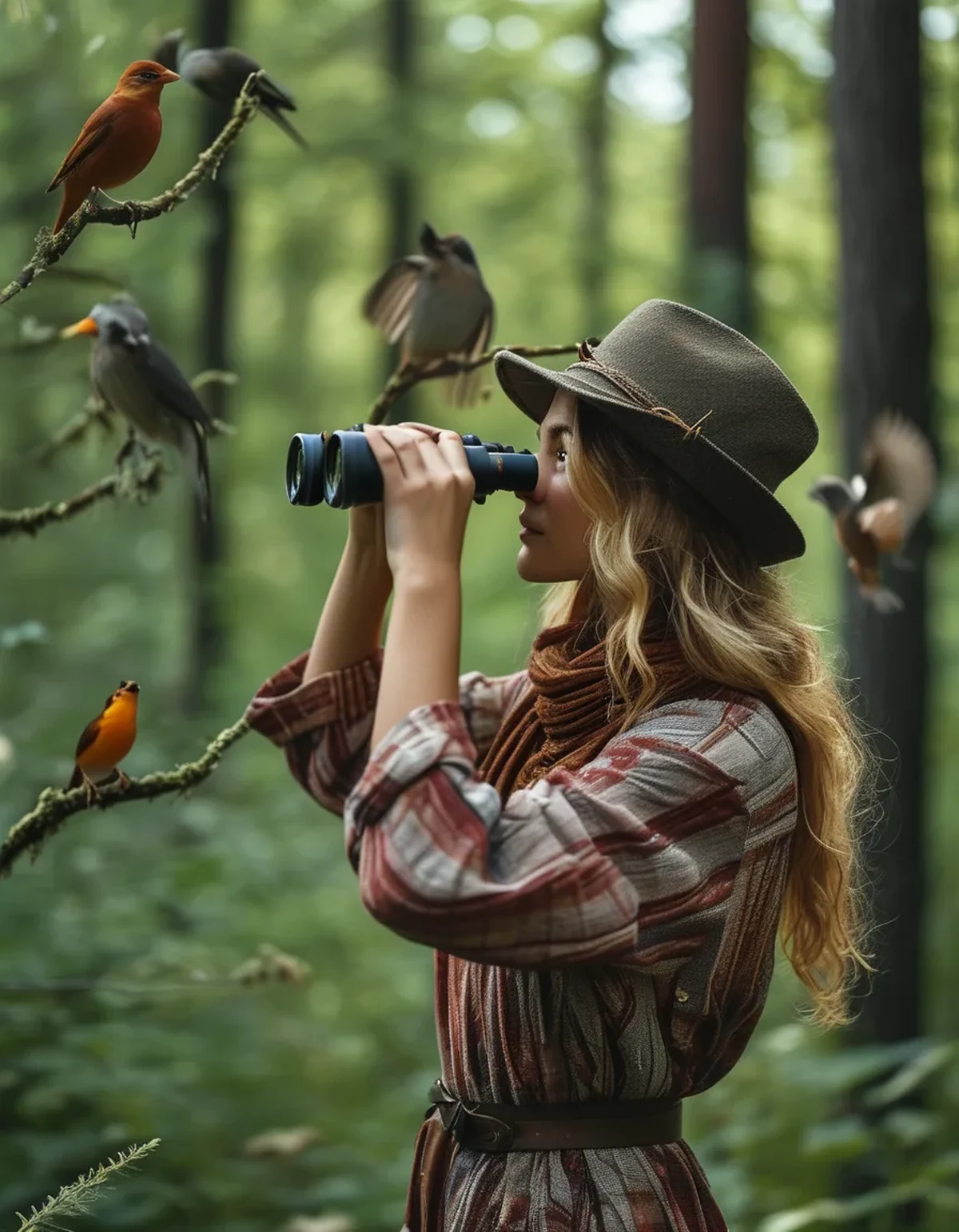
How should you actually move through birding terrain?
Walk slower than feels natural — roughly half your normal hiking pace — and pause every few minutes rather than moving continuously. Birds habituate to a steady, predictable presence faster than to someone who’s constantly starting and stopping erratically.
Myth vs Fact: Birdwatching Noise Edition
Myth: Complete silence is required. Fact: dead silence can actually alert birds that something unusual is happening — steady, natural ambient sound (like consistent footsteps) is less alarming than a sudden hush followed by movement.
Myth: Bright clothing is the main problem. Fact: while it doesn’t help, most birders overrate color and underrate noise and sudden movement as the actual deterrents.
FAQ: Birdwatching Etiquette Questions, Answered
Is talking during birdwatching always bad?
Low, steady conversation is generally fine; it’s sudden volume changes and loud exclamations that cause birds to flush.
How close is too close for birds?
If a bird stops its normal behavior (feeding, singing) and starts watching you, you’re already too close — back away slowly.
Does phone use scare birds?
Ringtones and notification sounds do; silent mode with the screen dimmed is generally fine.
TL;DR:
- Sudden, high-pitched sounds scare birds more than steady ambient noise
- Silent-closure gear and cloth-wrapped equipment noticeably increase sightings
- Move at roughly half your normal pace and pause often
- If a bird stops and watches you, you’re already too close
Quiet habits, not fancy gear, are usually what separates a birdwatching trip that turns up nothing from one that turns up everything.
Keep Reading
This article is for general informational and styling purposes only. Fit, sizing, and product availability may vary.