Hawk Watch Season: The Autumn Birding Event Built for Beginners
Quick Answer: Hawk watches are staffed lookout sites where volunteers count migrating raptors from late August through November. They’re the friendliest possible entry point to birding: the birds are large and slow, they pass at predictable times, someone is always calling out what’s overhead, and you don’t need good binoculars or any prior knowledge. Show up mid-morning on a clear day after a cold front, bring a jacket, and expect to be handed a spotting scope.
Most birding asks you to find a small brown bird in a bush. This asks you to look at the sky.
What is a hawk watch, and why is it easier than other birding?
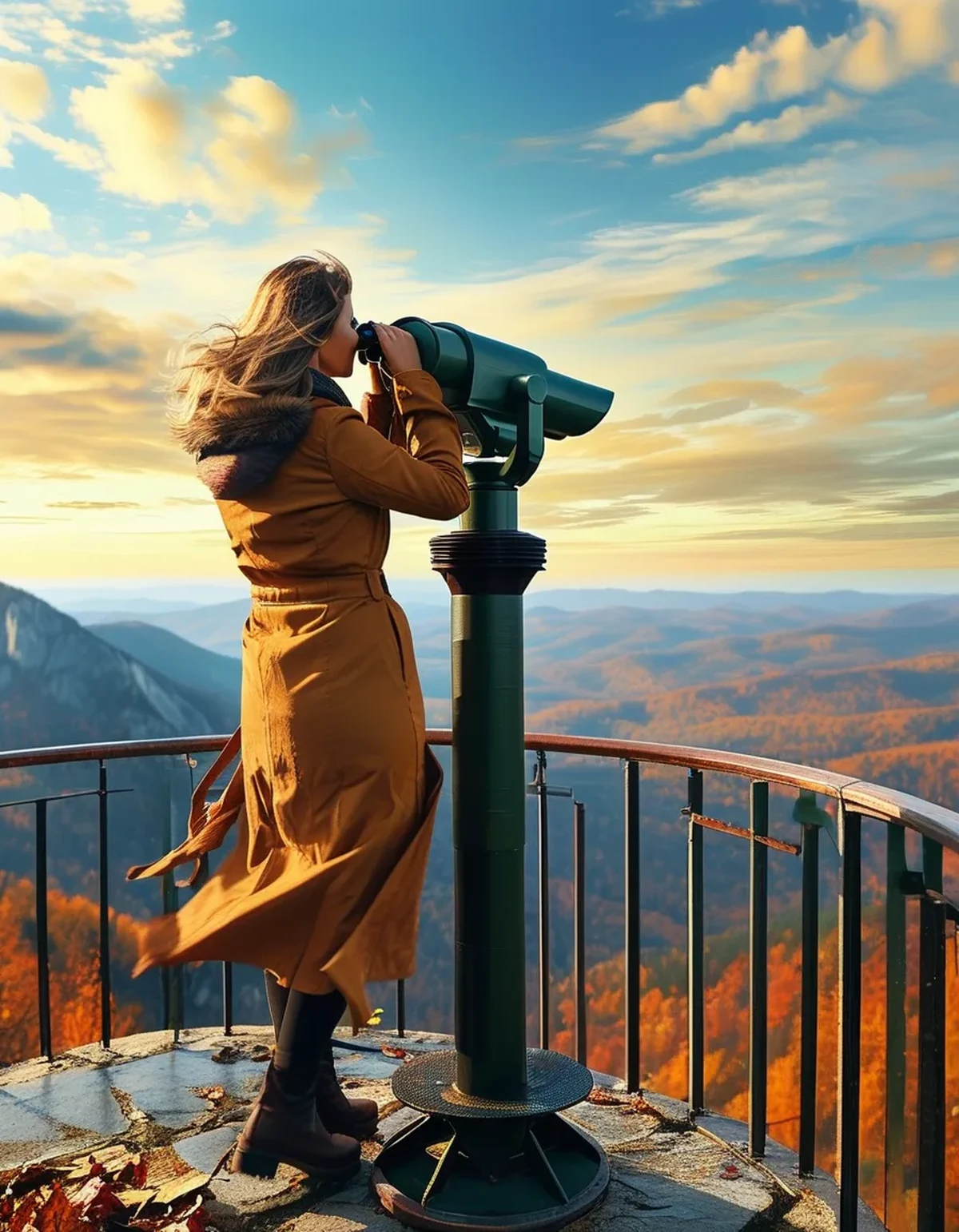
It’s a fixed lookout, usually on a ridge or a coastal point, where volunteers count raptors passing overhead during autumn migration - and it’s the rare birding activity organised around you standing still.
Four things make it unusually beginner-friendly:
- The birds are big and slow. A broad-winged hawk against the sky is a completely different identification problem from a warbler in leaf cover. You get long looks.
- Somebody is always narrating. The counters call out birds as they appear, with direction and species. You are effectively getting a free guided session for as long as you stand there, and this is the single biggest reason to go.
- The timing is predictable. Raptors migrate on specific weather, at specific times of day, in a defined season. Turning up on the right day is a knowable thing rather than a matter of luck.
- You don’t need to move. No walking quietly, no habitat knowledge, no early alarm. Arrive when you like, stand, look up.
And the numbers can be spectacular. Major sites record thousands of birds in a single strong day, and broad-winged hawk kettles can hold hundreds of birds circling in one thermal. That’s not something you have to be good at birding to appreciate.
When should you actually go?
Timing has two layers - the season and the weather - and the weather one matters more.
By season, roughly:
- Late August to mid-September: bald eagles, ospreys, American kestrels, and the first broad-winged hawks.
- Mid to late September: peak broad-winged hawk passage. This is the spectacle window - the days with hundreds or thousands of birds. In much of the northeastern US the biggest days cluster around the middle two weeks of September.
- October: sharp-shinned hawks, Cooper’s hawks, red-tailed hawks, harriers, merlins, peregrines. Fewer birds, more variety, and better looks at each one.
- November: red-tailed hawks, golden eagles, and goshawks at northern sites. Cold, quiet, and rewarding if you like a specific bird.
By weather - the part that actually decides your day: raptors migrate on rising air and following winds. The classic good day is the one or two days immediately after a cold front passes, with northwest winds and clear or partly cloudy skies. Warm, still, humid, or rainy days produce very little.
Time of day: raptors need thermals, and thermals need the ground to warm up. Mid-morning to mid-afternoon is the window, with roughly 10am to 2pm being the reliable core. This is one of the very few birding activities where the dawn start is unnecessary.
What Nobody Tells You About Your First Hawk Watch
You will spend most of the time looking at empty sky, and that’s normal. Even on a big day, birds come in bursts separated by quiet stretches. The regulars use the gaps to chat, eat, and identify distant specks for fun. Bring a snack and a bit of patience.
The wind on an exposed ridge is much colder than the forecast. Hawk watch platforms are chosen for their view, which means they’re exposed on all sides. People consistently underdress for their first visit. Bring a windproof layer even on a mild day, plus a hat, and something to sit on.
Your neck will hurt. Looking up for three hours is a genuine physical activity nobody warns you about. A folding chair that reclines slightly changes the experience completely, and this is the single most common piece of advice regulars give.
You don’t need expensive binoculars. Any 8x42 pair works, and plenty of people manage with cheaper ones. Someone will almost certainly offer you a look through a spotting scope - hawk watch culture is unusually generous about this.
Nobody expects you to identify anything. Saying ‘what’s that one?’ is the normal way to participate, and the counters genuinely enjoy answering. The unspoken etiquette is simply to call out birds you see rather than keeping quiet about them - an extra pair of eyes is welcome even if you can’t name what they’ve found.
And the counts are real science. Hawk watch data feeds long-term population monitoring, which means the afternoon you spend there contributes to an actual dataset.

What should you bring, and how do you find a site?
The kit list is short and the site list is public.
Bring:
- Binoculars, any reasonable pair - 8x or 10x magnification is standard
- A windproof jacket, plus more layers than the forecast suggests
- A folding chair, ideally one that reclines - the highest-value item on this list
- Sunglasses and sunscreen, because you’re staring at the sky for hours
- Water and food, since most platforms have no facilities
- A hat with a brim for glare, and a neck buff for wind
Leave at home: a field guide you plan to consult mid-flight - by the time you find the page the bird has gone. Learn from the people around you and look things up afterwards.
Finding a site: the Hawk Migration Association of North America maintains a public directory of official hawk watch sites, and most sites post daily counts online so you can see whether yesterday was good before you drive anywhere. Checking the previous day’s count plus tomorrow’s wind forecast is a two-minute exercise that dramatically improves your odds.
Look for sites on ridges, coastlines, and peninsulas. Migrating raptors follow terrain that generates lift or funnels them around water crossings, which is why the same handful of locations produce enormous counts year after year. If you’re near a north-south ridge or a coastal point, there is likely a hawk watch on it.
How do you start actually identifying them?
Not by learning field marks. Start with shape and behaviour, which is how the counters do it.
Step 1 - Learn three silhouettes, not thirty species.
- Buteos (red-tailed, broad-winged): broad wings, short fanned tail, soaring in circles. The default ‘hawk shape’.
- Accipiters (sharp-shinned, Cooper’s): short rounded wings, long tail, flap-flap-glide. Look nervous and quick.
- Falcons (kestrel, merlin, peregrine): pointed swept-back wings, direct powerful flight, rarely soaring lazily.
Getting a bird to one of these three groups is most of the work, and it’s achievable on your first day.
Step 2 - Use behaviour as a clue. A bird circling on a thermal without flapping, gaining height, is a buteo almost every time. A bird crossing the sky in a straight determined line is likely a falcon. A bird that appears, flaps rapidly three times, glides, and repeats is an accipiter.
Step 3 - Let the counters teach you the rest. They’ll say things like ‘kettle of broad-wings low over the second ridge’ or ‘sharpie coming in from the left, close’. Listening to how experienced watchers describe birds is the fastest identification training available, and it’s free.
A realistic first-day goal: correctly separate the three groups on your own by the end of the afternoon, and get a good look at one bird you’d never seen before. That’s a successful hawk watch, and it’s how the people around you started too.
FAQ: Hawk Watching Questions, Answered
Do I need to know anything about birds to go?
No. Hawk watches are among the most welcoming birding settings, and ‘I’ve never done this before’ is a completely normal thing to say when you arrive.
What if the weather looks bad?
Rain and heavy overcast usually mean very few birds, and it’s worth postponing. Cool, clear, and windy from the northwest after a front is the day you want.
Can I bring kids?
Yes, and hawk watches suit them better than most birding because there’s no need to be quiet or still. Bring snacks and expect to leave when they’re done rather than when the flight is.
How long should I stay?
Two to three hours during the mid-day window covers the useful part. Arriving at 10am and leaving at 1pm is a completely standard visit.
TL;DR:
- Hawk watches are staffed lookouts where volunteers count and call out migrating raptors
- Go one to two days after a cold front, on northwest winds, between 10am and 2pm
- Mid-September is peak broad-winged hawk passage; October brings variety
- A reclining folding chair and a windproof layer matter more than good binoculars
- Learn three silhouettes - buteo, accipiter, falcon - and let the counters teach you the rest
The rare birding activity where you stand still, look up, and someone else does the identifying.
Keep Reading
This article is for general informational and styling purposes only. Fit, sizing, and product availability may vary.