Planting for Birds: The Native Plants That Turn Your Yard Into a Birdwatching Hotspot
Quick Answer: Native plants attract far more birds than a feeder alone because they provide natural food (seeds, berries, insects) and shelter that birds are already adapted to use — a few well-chosen native shrubs and flowers can turn an ordinary yard into a reliable birdwatching spot within one growing season.
Your feeder brings the same handful of regulars every day, but your neighbor’s overgrown, slightly wild-looking yard seems to host twice as many species. That’s not luck — it’s plant choice.
Why do native plants outperform a feeder for attracting birds?
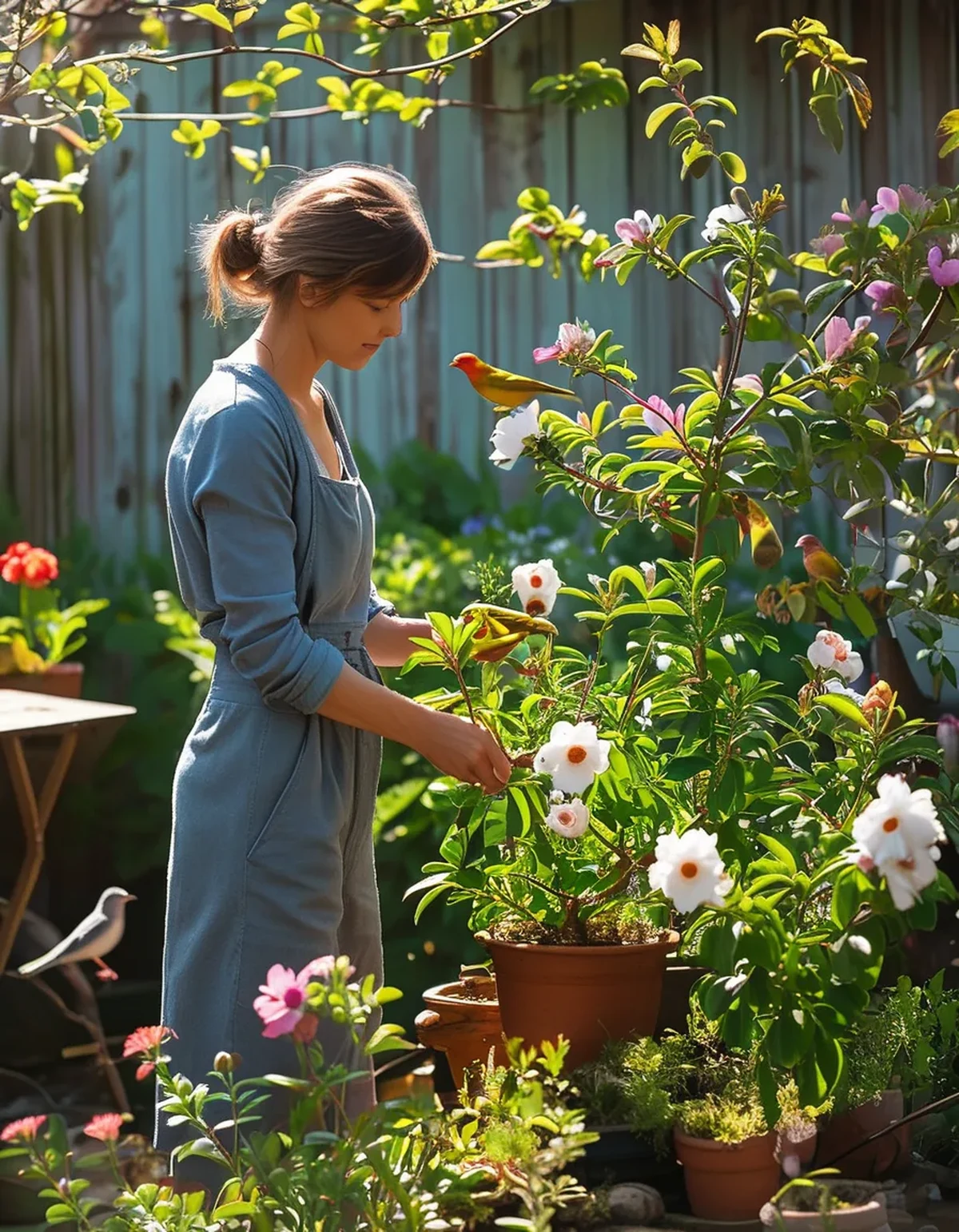
Feeders offer one type of food in one spot, but native plants provide a whole ecosystem — seeds, berries, nectar, and crucially, the insects that live on native plants and make up the bulk of many birds’ actual diet, especially during nesting season. A yard with only a feeder and non-native lawn is missing most of what birds actually need.
Native plants also offer natural shelter and nesting sites that feeders can’t replicate, which is part of why plant-rich yards tend to host more species diversity, not just more individual birds. A feeder alone tends to attract the same handful of feeder-adapted species, while plant diversity draws a genuinely wider range of visitors over time.
Which native plants give the most birdwatching return for the effort?
Native flowering perennials and berry-producing shrubs tend to offer the best combination of food and low maintenance. Coneflowers and black-eyed Susans provide seed heads finches and sparrows love if you leave the dead flower heads standing through fall and winter instead of deadheading everything.
Serviceberry, native dogwood, and elderberry shrubs (check which are native to your specific region) provide berries that draw a wide range of species, often more reliably than any single feeder type.
Do you need a big yard for this to work?
No — even a few containers or a small garden bed of native flowering plants on a balcony or patio can attract birds, especially in urban areas where any green space stands out. The key factor is plant diversity and native origin, not overall yard size.
A small cluster of 3-4 native flowering species plus one berry shrub, even in a modest space, is often enough to notice a real increase in visiting birds within a season. Even a window box with native flowering annuals can attract hummingbirds and small songbirds in the right season.
What Nobody Tells You About Bird-Friendly Gardening
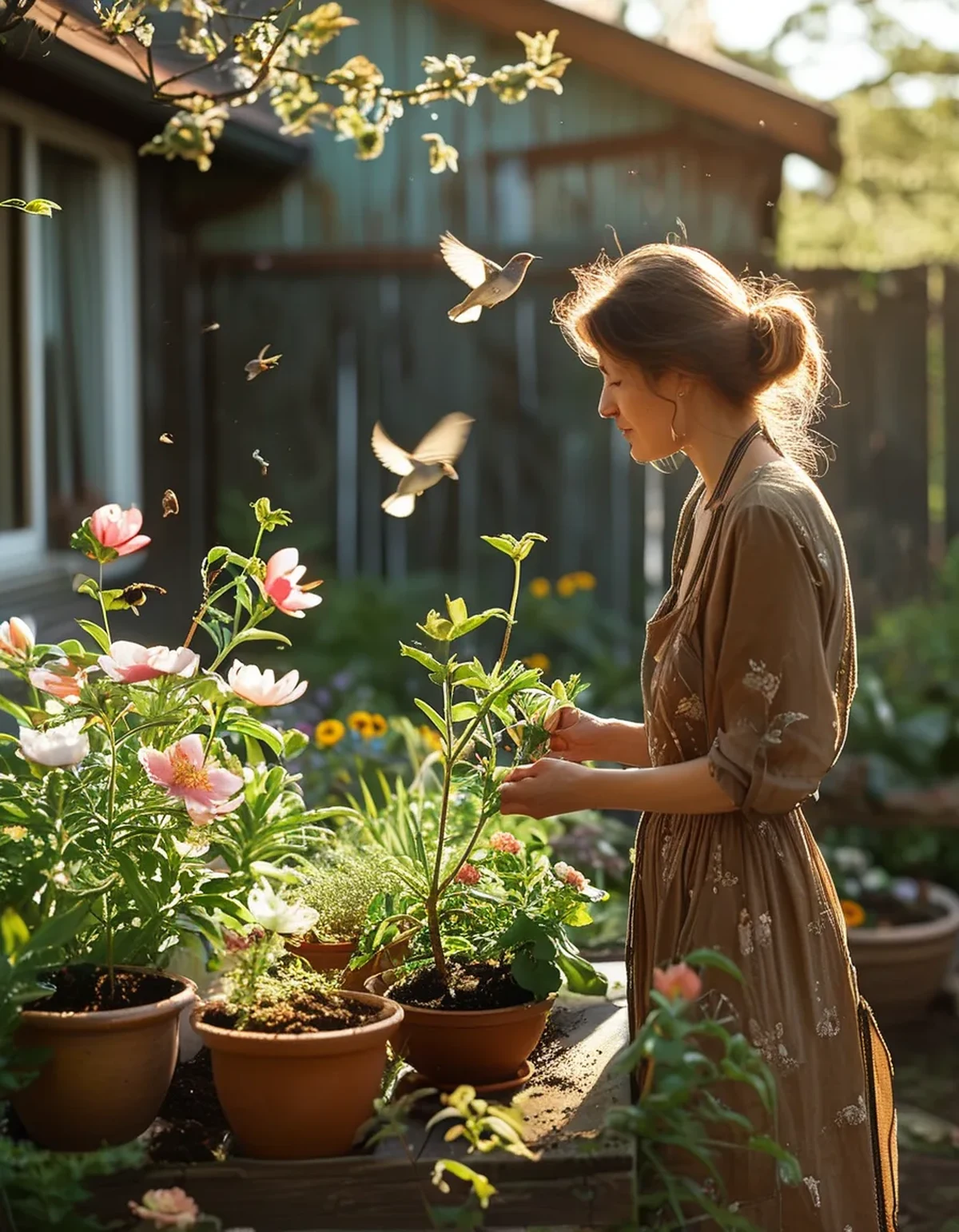
Most people assume a tidy, fully deadheaded garden is the goal, but leaving seed heads standing through fall and winter is actually one of the single best things you can do for birds, since it provides a natural food source through the leaner months. The ‘messy’ garden look you’ve been tidying away is often exactly what birds are looking for.
Similarly, skipping pesticides matters enormously — insects on native plants are a critical food source, especially for feeding nestlings, so pesticide use can quietly undercut all your planting effort.
How long before you actually see more birds?
Some effects show up within weeks — insect-eating birds may notice new native plants quickly — but the fuller effect, especially seed and berry-based visits, typically builds over one full growing season as plants mature and establish. Patience matters here more than most gardening projects.
Keeping a simple log of what species show up and when helps you notice the gradual increase, which can be easy to miss day to day.
FAQ: Native Plants for Birdwatching, Answered
How do I find out which plants are native to my specific area?
Local native plant societies, extension offices, and native plant nurseries are the most reliable resources, since ‘native’ varies significantly by region even within the same country.
Will native plants attract unwanted pests too?
Some insect activity increases, but that’s actually the point — those insects are food for birds, and a balanced native garden typically doesn’t become a pest problem the way a struggling non-native garden can.
Can I combine native plants with a feeder for best results?
Yes, they work well together — native plants provide the diverse, natural food base, while a feeder can supplement during lean seasons or attract species that prefer feeder-style food.
Do I need to remove all non-native plants for this to work?
No — adding native plants alongside existing landscaping still provides meaningful benefit; a full native-only yard isn’t required to see a noticeable increase in bird visits.
TL;DR:
- Native plants provide seeds, berries, and insects that a feeder alone can’t replicate
- Coneflowers, black-eyed Susans, and native berry shrubs give strong return for low effort
- Leaving seed heads standing through fall and winter is a simple, high-impact habit
- Full results typically build over one growing season, so patience matters
Start with one native flowering perennial and one berry shrub, and let the seed heads stand through winter this year.
Keep Reading
This article is for general informational and styling purposes only. Fit, sizing, and product availability may vary.